



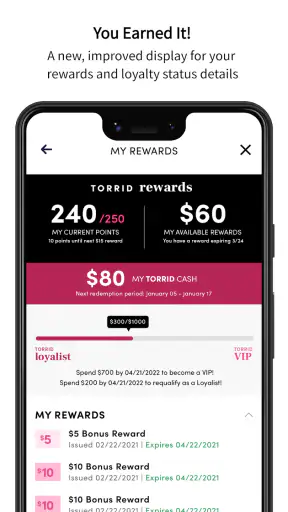
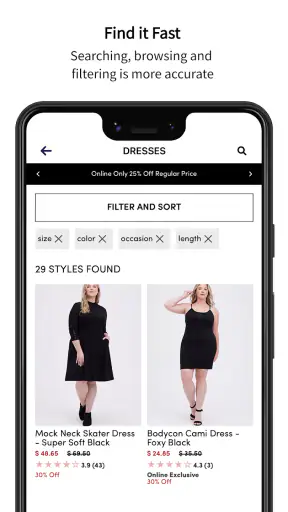
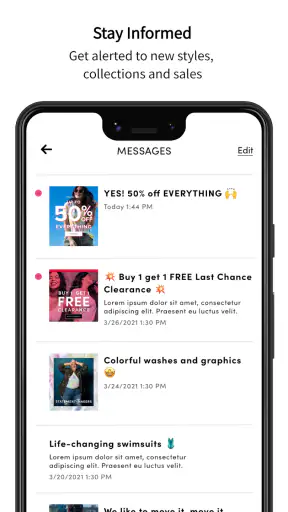
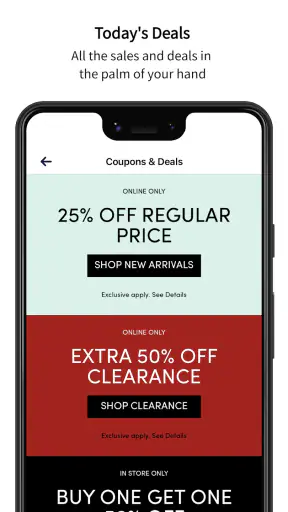

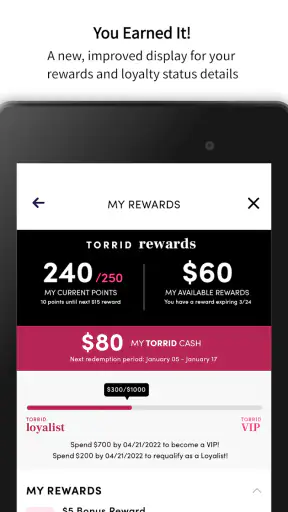
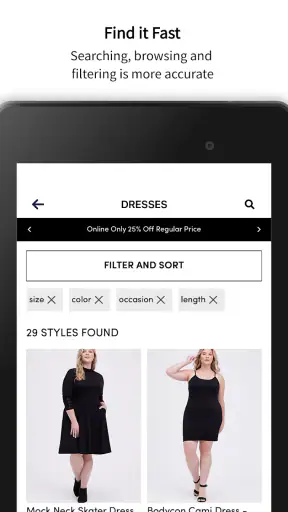
Shopping for curve-friendly fashion can feel unnecessarily tiring when every search starts with a size filter, a guess about proportions, or a trip across several different retailers. I found TORRID most useful when I treated it as a focused shopping app rather than a general marketplace. It is built around fashion in sizes 10–30, so the experience begins with a clearer audience and a more relevant product range than a broad shopping app usually offers. The app is free, rated for Everyone, and developed by Torrid LLC.
My first impression was that TORRID makes the most sense for someone who already knows the kind of style they want from the brand: clothing, accessories, and outfit pieces intended for curvy shoppers. It is less useful if you want to compare dozens of unrelated labels in one place. That distinction matters. This is not a universal fashion search engine; it is a dedicated storefront where the main benefit is reducing the amount of irrelevant browsing.
What to expect when you open TORRID
The app is a shopping tool, so its central job is straightforward: help me browse Torrid’s range, inspect items, and move toward a purchase from a phone. The store summary focuses on curvy sizes 10–30, and that focus shapes the whole experience. Instead of beginning with a huge department-store menu, I can approach the catalog with a more specific expectation about fit and intended customer.
That focus is one of the strongest reasons to try it. On a general fashion app, I often spend time opening products that stop at smaller sizes or are presented without much relevance to my needs. A dedicated Torrid app cuts down that particular kind of wasted browsing. It does not remove the need to think about fit, but it makes the first stage of shopping feel more purposeful.
I would also set expectations around discovery. TORRID is best when I want to shop the Torrid collection itself, not when I am looking for the lowest price across many retailers or trying to compare several brands side by side. A marketplace can be better for price comparison, resale options, and broad variety. TORRID is better for a more direct brand experience and for shoppers who want the catalog organized around Torrid’s own approach to curvy fashion.
The app has been available since August 21, 2017, and the current version is 7.1.6. It supports devices running Android 8.0 or later. Those details make it a practical option for people using an older compatible Android phone, although I would still keep the operating system updated where possible for a smoother shopping experience.
Its popularity is easy to understand: TORRID has passed one million installs, with a 4.8 average from roughly thirty-nine thousand ratings and about six thousand one hundred written reviews. I see those figures as a useful sign that the app has found a steady audience, but they should not replace personal judgment. A strong rating cannot tell me whether a particular item will suit my proportions, whether the browsing style feels comfortable, or whether shopping through an app is preferable to visiting a store.
Who will get the most from it
I would recommend starting with TORRID if you usually shop for sizes 10–30 and want a more concentrated selection than a general retailer provides. It is also a good fit for someone who likes planning outfits from one brand, checking several categories during one session, or browsing from the sofa instead of opening a mobile browser every time.
The app may be less suitable if your priority is mixing brands, buying secondhand, or finding the absolute cheapest option. It is also not the right first choice if you need to make a decision without carefully checking product details. A focused catalog is convenient, but convenience can encourage quick purchases. I still treat the app as a research tool before treating it as a checkout shortcut.
Getting set up without making the first session harder
My advice for a first-time user is to keep the first visit simple. Install TORRID, open it, and begin by looking at the shopping categories rather than trying to build a complete wardrobe immediately. The goal is to learn how the catalog is arranged and find one item that genuinely interests you. That gives you a useful first session without turning the app into a long, unfocused scroll.
Before browsing deeply, decide what problem you are solving. Are you looking for an outfit for work, a comfortable everyday top, a special-occasion piece, or an accessory to finish something you already own? Having that answer changes how I use the app. Without a purpose, I tend to save too many possibilities and lose track of what I actually need.
I also recommend starting with a familiar item type. If you already know the size you usually consider at Torrid, begin with a category where you understand your preferred cut. That makes the first product comparison more meaningful. If you are new to the brand, choose an item that can be judged by more than appearance, such as a basic layer or an uncomplicated wardrobe staple, rather than making your first experiment a difficult-to-fit statement piece.
One useful habit is to keep a short note outside the app with the measurements or fit preferences you normally rely on. I do not assume that a number on a size selector automatically tells me how a garment will sit on my body. I look at the product information, then compare it with what has worked for me before. This small step prevents the common mistake of selecting a size based only on a familiar label.
Because the app is free, there is little barrier to trying it as a browsing companion even if I am not ready to purchase. That makes it useful for planning. I can explore styles first, decide what fits my existing wardrobe, and only then think about ordering. The free download does not mean every item will suit every budget, so I still separate “interesting” from “worth buying for me.”
Making the first useful discovery
The first meaningful success should be specific: find one item that matches a real need, understand why it might work, and save the details mentally or in your own shopping notes. I would not measure success by how many products I view. I would measure it by whether the app helps me move from “I need something” to “this is the type of piece I should investigate.”
For example, imagine I need an outfit for a casual workday but do not want to replace my entire wardrobe. I might begin with a top or layering piece, then inspect colors and styling possibilities before looking for coordinating items. This workflow is more efficient than starting with every category at once. It also shows whether the app’s selection feels relevant to my actual life rather than merely attractive in isolated product images.
A second practical use is wardrobe gap checking. I can look at an item and ask three questions: does it fill a missing role, can I wear it with at least two things I already own, and does the cut match what I normally feel comfortable wearing? That approach makes the app more valuable than passive scrolling. It turns browsing into a small decision process.
I find it helpful to compare similar items inside the Torrid catalog rather than judging the first product immediately. Look for differences in neckline, sleeve shape, length, fabric description, and intended occasion. Two pieces can look close in a thumbnail but serve very different purposes. The extra comparison is especially worthwhile when I am shopping for fit-sensitive clothing.
Another non-obvious advantage of a dedicated brand app is continuity of attention. On a large marketplace, recommendations can pull me toward unrelated products and competing sellers. In TORRID, the narrower environment helps me understand how one item might relate to other Torrid pieces. The trade-off is that I may see less variety than I would on a broad platform, but the reduced noise can make outfit planning easier.
Where first-time shoppers can become confused
The most common confusion is assuming that the size range alone guarantees a perfect fit. It does not. Sizes 10–30 tell me who the collection is intended to serve, but they do not describe every garment’s shape, stretch, length, or ease. I still read the individual product information and think about how I prefer clothes to fit. A size label is a starting point, not a final answer.
Product photos can also create false confidence. I use them to understand the overall silhouette and styling, but I do not rely on a single image to judge fabric weight or movement. If I am deciding between two similar items, the written details become more important than the first visual impression. This is one reason I avoid rushing from a thumbnail directly to a purchase decision.
Another point of friction is the difference between browsing and buying. The app makes it easy to collect ideas, but a full cart can quickly become less realistic than the original plan. I now pause before checkout and remove anything that does not solve a clear wardrobe need. That habit is particularly useful in a fashion app, where a polished presentation can make several optional pieces feel essential.
Some shoppers may also wonder whether they should use TORRID instead of the mobile website. My preference is the app when I expect to browse repeatedly or want a dedicated place for Torrid shopping. A browser can be more convenient for a one-time visit, especially if I do not want another app on my phone. The app has the advantage of feeling more focused, while the browser may be preferable for occasional shoppers who already have too many retail apps installed.
It is worth remembering that the app’s Everyone rating describes its content classification, not the experience of every shopper. Fashion decisions can still be personal and demanding, particularly when fit, comfort, or confidence is involved. I appreciate the focused size range, but I would not interpret the age rating as a promise that every shopping decision will be effortless.
Small habits that improve the experience
My first tip is to shop by occasion before shopping by trend. If I begin with “weekend,” “work,” or “event,” I make better choices than when I begin with a vague desire for something new. I can then judge each item against the situation where I expect to wear it.
My second tip is to compare the item with clothes already in my closet. A new piece that only works with one outfit may be less useful than a simpler piece that works across several combinations. This is especially important when the app encourages me to browse coordinated styles. Coordination is helpful, but I do not want it to push me into buying an entire look unnecessarily.
My third tip is to separate fit research from emotional reaction. If I love the color or print, I give myself an extra moment to inspect the cut and practical role. That pause has saved me from choosing items that looked exciting on screen but did not match how I actually dress.
Finally, I use the app in short sessions. A focused ten-minute search for one wardrobe gap is more useful to me than a long session that ends with dozens of open product pages. TORRID works well as a deliberate shopping tool; it is less convincing when I treat it as an endless entertainment feed.
What to do after finding the right direction
Once I have found a promising item, the next step is not automatically checkout. I review the product details again, compare it with similar Torrid options, and consider whether I would still want it without the surrounding styling. If the answer is yes, I feel more confident that the purchase is based on the item itself rather than on the momentum of browsing.
For a first order, I would keep the selection manageable. Choosing one or two pieces makes it easier to learn how the brand’s sizing and cuts work for me. After that experience, future browsing becomes more informed because I have a personal reference point. This is a better strategy than making a large first purchase and trying to interpret several fit outcomes at once.
The app also makes sense as a planning tool between shopping trips. I can use it to identify silhouettes or colors I want to look for, then decide whether I prefer purchasing through the app or visiting a physical retail setting when convenient. That flexibility is valuable for shoppers who like digital discovery but want to make final fit judgments in person.
At the same time, I would choose a different shopping option when breadth matters more than focus. A general marketplace is better for comparing brands, while a resale platform may be better for secondhand prices or discontinued pieces. TORRID wins when I want a direct route into Torrid’s curvy fashion range and do not want unrelated listings competing for my attention.
With more than a million installs and a strong average rating, the app has clearly become a familiar option for many shoppers. My own recommendation is more specific: use it when you want a focused Torrid catalog, sizes 10–30 are relevant to you, and you are willing to make fit decisions thoughtfully. Do not use it expecting a universal fashion marketplace or a substitute for checking whether a garment suits your proportions and wardrobe.
Overall, TORRID is a practical, free shopping app that makes the most sense as a focused starting point. I like that its purpose is clear, its audience is specific, and its catalog can reduce the noise found in broader fashion apps. The best results come when I enter with a real need, inspect products carefully, and resist turning every appealing suggestion into a purchase. For a first-time user, the winning approach is simple: choose one wardrobe goal, learn the catalog, and make one informed decision before expanding your search.


